What is Play-Based Learning? | Early Learning Toowoomba
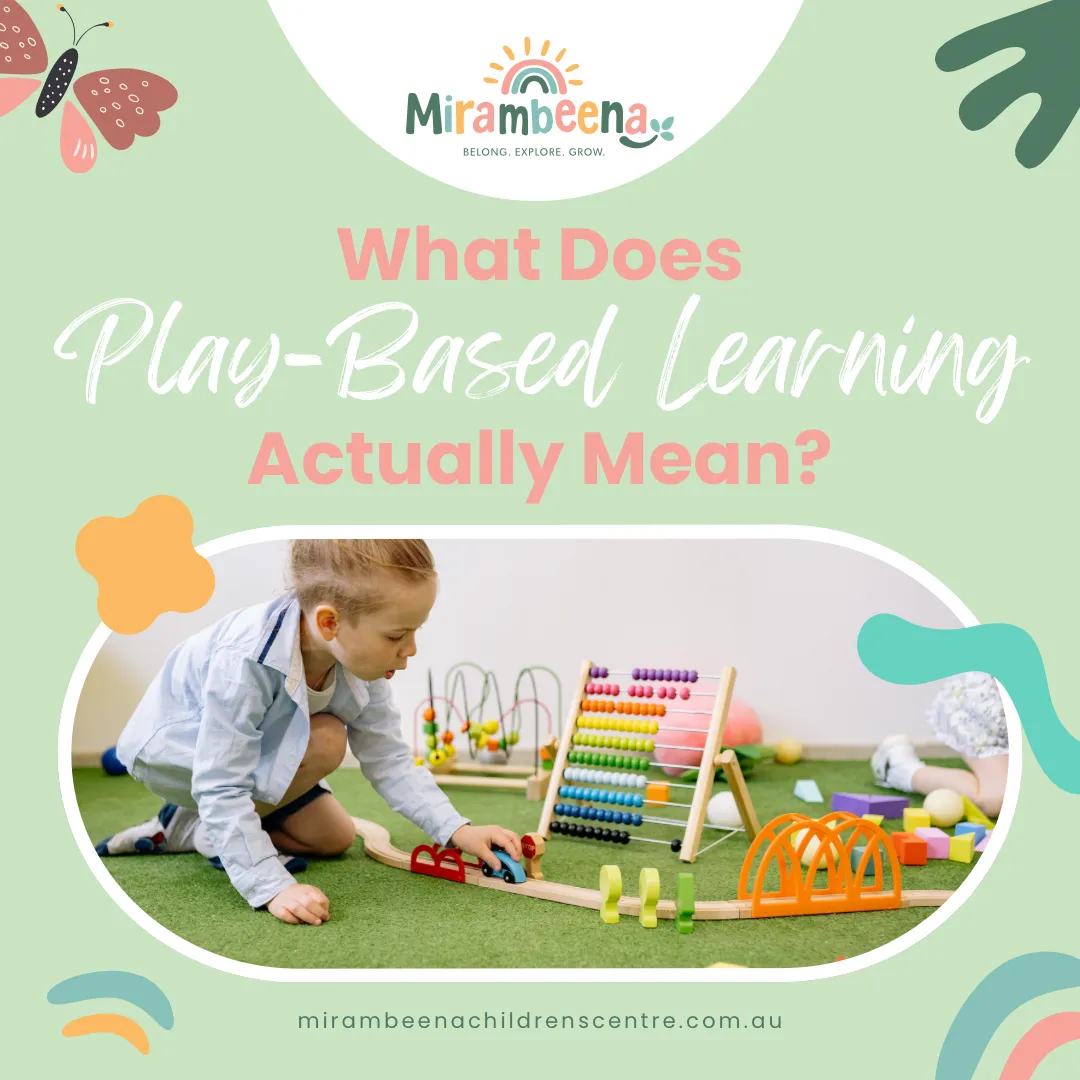
What Does Play-Based Learning Actually Mean?
Play-based learning is a term often used in early childhood education, but many parents wonder what it actually means in practice.
At its core, play-based learning recognises that children learn best when they are actively engaged, curious and exploring their environment. Through play, children develop important skills that support their growth and development.
For families looking for childcare or early learning in Toowoomba, understanding how play-based learning works can help them feel confident about their child’s early education.
Learning Through Exploration
Young children naturally explore their surroundings through play. They experiment with materials, ask questions and interact with others as they learn.
Play-based learning encourages children to explore ideas and concepts in a way that feels enjoyable and meaningful. This might involve building with blocks, painting, imaginative play, outdoor exploration or storytelling.
Through these activities, children develop important cognitive skills such as problem solving, creativity and critical thinking.
Social Development Through Play
Play also helps children learn how to interact with others. When children play together, they practise sharing, communicating and cooperating.
These social experiences help children develop confidence and emotional awareness. Learning how to express ideas, listen to others and work together are important skills that support children throughout their lives.
At Mirambeena Children’s Centre in Darling Heights, educators guide play experiences that support both individual exploration and group interaction.
Language and Communication Skills
Play-based environments also support language development. As children engage in imaginative play, storytelling and group activities, they practise expressing their thoughts and ideas.
Educators often support this process by asking questions, introducing new vocabulary and encouraging children to describe their experiences.
Over time, these interactions help children develop stronger communication skills.
Supporting Physical Development
Play also supports physical development. Activities such as climbing, running, building and manipulating objects help children strengthen both fine and gross motor skills.
Outdoor environments provide opportunities for children to explore movement, balance and coordination while engaging with the natural world.
These experiences contribute to overall wellbeing and development.
The Role of Educators
While play is child-led, educators play an important role in supporting learning. Educators observe children’s interests and create opportunities that extend learning through play.
This might involve introducing new materials, guiding discussions or creating environments that encourage curiosity and discovery.
By observing how children engage with different activities, educators can support each child’s individual learning journey.
Preparing Children for Future Learning
Play-based learning helps children build the foundation for future learning. Skills such as curiosity, communication, creativity and confidence support children as they move towards kindergarten and primary school.
Rather than focusing solely on structured instruction, play-based learning encourages children to develop a lifelong love of learning.
For families in Darling Heights and Toowoomba, understanding how play-based learning supports development can help them feel confident about their child’s early learning experience.
Supporting Children to Belong, Explore and Grow
At Mirambeena Children’s Centre, play-based learning reflects the centre’s values of Belong • Explore • Grow.
Children are supported to feel a sense of belonging, explore their interests and grow through meaningful learning experiences.
Families interested in learning more about Mirambeena Children’s Centre can visit the website or contact the team for further information.
Curriculum
Our Rooms